


DUBAI/WASHINGTON: The United States announced on Wednesday that its forces have fully stopped maritime trade in and out of Iran, even as diplomatic efforts with Tehran continue alongside cautious optimism over renewed negotiations.
President Donald Trump indicated that discussions between US and Iranian representatives could resume within days, possibly involving meetings in Pakistan. He described the coming period as “critical,” suggesting that a breakthrough may be possible before a temporary ceasefire expires on April 21.
Vice President JD Vance, who participated in recent talks that ended without agreement, expressed guarded optimism, saying there was still room for progress despite deep mistrust between both sides.
“I think the next couple of days will be very important,” Trump said in remarks shared with US media, adding that extending the ceasefire might not be necessary if a deal is reached.
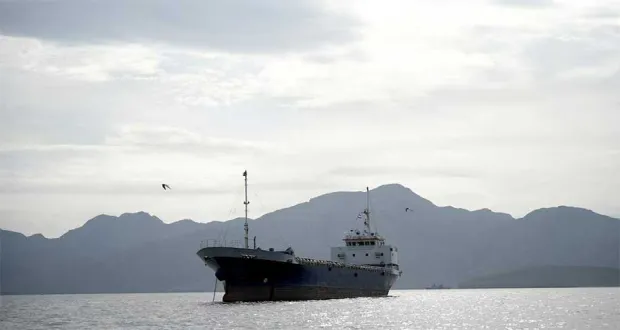
At the same time, US Central Command officials said military operations had effectively disrupted commercial shipping linked to Iran, particularly through key Gulf routes. Admiral Brad Cooper claimed that economic movement by sea in and out of Iran had been significantly restricted within 36 hours of the operation beginning, arguing that maritime trade is vital to Iran’s economy.
Reports also suggested that several vessels, including sanctioned tankers, were turned away or forced to reverse course under the tightened blockade in and around the Strait of Hormuz.
Despite the escalation, diplomatic backchannels remain active. Officials from Pakistan, Iran, and Gulf states reportedly say US and Iranian delegations may reconvene later this week, although Iranian sources caution that no formal schedule has been confirmed.
Trump also praised Pakistan’s military leadership, particularly Field Marshal Asim Munir, for facilitating communication between the parties, according to US media reports.
Vice President Vance reiterated that Washington is seeking a broader agreement with Iran, but acknowledged that resolving long-standing disputes would take time due to entrenched mistrust.
Meanwhile, global markets reacted positively to hopes of de-escalation, with oil prices easing and Asian equities gaining.
Key sticking points remain Iran’s nuclear programme and sanctions relief. The US has pushed for a prolonged suspension of uranium enrichment, while Iran has proposed a shorter pause and demands lifting of international sanctions.
The International Atomic Energy Agency (IAEA) has said the duration of any nuclear restriction is ultimately a political issue, suggesting a possible compromise may still be achievable.
However, regional tensions remain high, particularly due to ongoing Israeli strikes in Lebanon targeting Hezbollah, which further complicates broader ceasefire efforts. Several countries, including the UK, Canada, and Japan, have called for an immediate end to hostilities and stronger protection for UN peacekeepers in the region.
The post US claims halt of Iran maritime trade amid mixed signals on peace talks appeared first on Karachi News.