


TEHRAN: Iranian media outlets have reported that Tehran has delivered a comprehensive 14-point peace proposal to the United States, aimed at halting conflicts across multiple fronts and introducing a new framework for managing the strategically vital Strait of Hormuz.
According to Iran’s Tasnim and Fars news agencies, the proposal was transmitted to Washington through Pakistan acting as a mediator. The plan reportedly calls for a broad de-escalation, including an end to hostilities in all regional theaters, notably Lebanon.
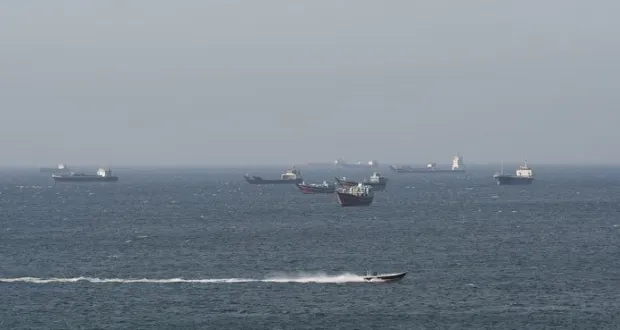
Key elements of the proposal include the withdrawal of U.S. forces from areas surrounding Iran, removal of blockades, unfreezing of Iranian financial assets, compensation payments, and the lifting of sanctions. It also outlines a new mechanism for oversight and control of the Strait of Hormuz, a crucial global oil transit route.
Iran has further suggested shortening the timeline for a ceasefire agreement, proposing that disputes be resolved within 30 days.
Responding to the development, former U.S. President Donald Trump said he would review the proposal but expressed skepticism about its acceptability. Writing on his Truth Social platform, he stated that Iran had “not yet paid a sufficient price” for its actions over the past decades.
Speaking briefly to reporters in West Palm Beach, Florida, Trump did not elaborate on conditions that might lead to renewed military action against Iran.
Recent reports from Reuters and other outlets indicated that Tehran is open to reopening the Strait of Hormuz even before resolving broader nuclear-related issues. Officials say this sequencing has now been formally included in the proposal conveyed via mediators.
Trump also remarked that, from a humanitarian standpoint, he would prefer to avoid military escalation. However, he told congressional leaders that he believed he had the authority to continue military operations beyond a legally defined deadline, arguing that a ceasefire had effectively ended hostilities.
The post Tehran sends 14-point peace proposal to U.S. covering regional conflicts, Hormuz framework appeared first on Karachi News.