


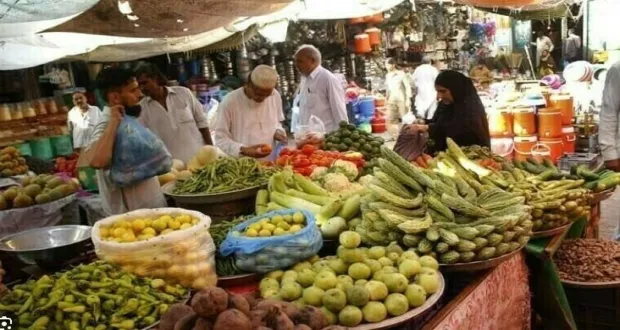
ISLAMABAD: Consumer inflation in Pakistan is expected to return to double-digit territory in August, with the Finance Division projecting an annual increase of between 10% and 11%.
In its latest monthly economic update, the division said inflation could rise from 9.2% recorded in July as recent domestic price pressures combine with movements in international energy and commodity markets.
The report also highlighted geopolitical tensions and the possibility of heavy rains and flooding as key risks to the economic outlook, particularly for food supplies and the upcoming agricultural harvest.
The Finance Division warned that fluctuations in global energy prices could put pressure on both inflation and Pakistan’s external account. It stressed the need for continued prudent economic management and reforms to preserve recent macroeconomic gains.
Inflationary pressure builds
July’s inflation rate of 9.2% was significantly lower than the 11.1% recorded in June but remained considerably above the 4.1% registered in July 2025.
On a month-on-month basis, consumer prices increased by 1.2% in July after declining 0.3% in June.
Transport recorded the highest annual price increase at 15.1%, followed by communication services at 13.6% and non-perishable food items at 11.6%.
Clothing and footwear prices increased 9.2% year-on-year, while education costs rose 9%, health-related expenses 7.8%, and housing, water, electricity, gas and fuel prices 7.1%.
Household furnishings and maintenance costs went up 6.9%, while restaurants and hotels recorded a 5.7% increase.
Prices of perishable food items rose 5.2%, alcoholic beverages and tobacco 3.2%, while recreation and cultural services posted a 1.3% increase.
Weekly prices remain under pressure
The Sensitive Price Indicator, which tracks prices of essential consumer goods, also edged higher during the week ending August 27.
The indicator increased 0.05%, with 20 of the 51 monitored items becoming more expensive. Prices of 11 items declined, while 20 remained unchanged.
Trade outlook faces uncertainty
The Finance Division also warned that new US tariff measures could create additional uncertainty for Pakistan’s external trade.
According to the report, Washington imposed duties ranging from 10% to 12.5% on imports from 60 countries, including Pakistan, effective July 24. A separate 50% tariff on Canadian goods came into effect on August 19.
The government said these measures could affect the international trade environment and add pressure to Pakistan’s external-sector outlook.
Floods threaten agriculture
The agricultural sector is facing another major challenge from adverse weather.
The government has warned that heavy rainfall and flooding could disrupt farming activity and jeopardise agricultural growth targets. Authorities are continuing to provide farmers with seeds, credit, fertiliser and machinery to mitigate the impact of climatic risks.
The Finance Division said developments in global energy markets, geopolitical conditions and weather patterns would remain important factors shaping Pakistan’s inflation and economic performance in the months ahead.
The post Pakistan inflation likely to cross 10% in August: Finance Division appeared first on Karachi News.