


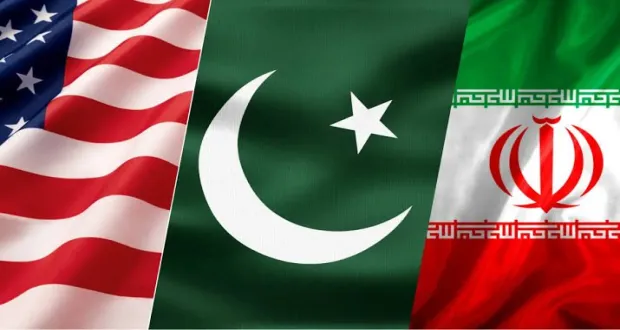
WASHINGTON: The future of potential peace negotiations between Iran and the United States remains uncertain as a two-week ceasefire approaches its expiration, with tensions still simmering on multiple fronts.
A senior Iranian official indicated that Tehran is considering participation in talks that could be hosted in Pakistan, following diplomatic efforts by Islamabad to ease a US-imposed blockade on Iranian ports. The blockade has been cited as a key hurdle preventing progress toward renewed dialogue.
However, no final decision has been made. Iran’s Foreign Minister, Abbas Araqchi, emphasized that ongoing alleged ceasefire violations by Washington are undermining trust and complicating the diplomatic path forward. In discussions with Pakistan’s Ishaq Dar, he reiterated that Tehran is still evaluating its next move.
Meanwhile, senior Iranian figure Mohammad Baqer Qalibaf accused US President Donald Trump of escalating pressure through both the blockade and continued military actions, stating that Iran refuses to negotiate under coercion.
The ceasefire, announced earlier this month, is set to expire within days. Its stability has already been tested following a US seizure of an Iranian-linked vessel accused of breaching maritime restrictions, prompting Tehran to warn of possible retaliation.
Washington appears eager to secure a swift agreement, with Trump signaling optimism about reaching a deal that could stabilize global oil markets and prevent economic disruption. Tehran, on the other hand, is seeking sanctions relief and greater flexibility for its nuclear program, while leveraging its strategic influence over the Strait of Hormuz—a vital artery for global energy supplies.
Adding to the uncertainty, US Vice President JD Vance has not yet traveled for the proposed talks, contradicting earlier speculation.
A Pakistani source suggested the ceasefire may expire Wednesday evening US time, leaving only a narrow window for diplomacy. While Islamabad continues mediation efforts, Iranian President Masoud Pezeshkian criticized what he described as inconsistent and coercive signals from Washington, asserting that Iran would not yield under pressure.
Tensions escalated further after US forces intercepted an Iranian-flagged cargo ship near Bandar Abbas. The US claims the vessel may have been transporting dual-use materials, while Iran denounced the action as “armed piracy.”
China has also weighed in, with President Xi Jinping urging restraint and calling for uninterrupted maritime traffic and a diplomatic resolution.
With global oil prices already reacting and shipping through the Strait of Hormuz significantly reduced, the coming days are seen as critical in determining whether diplomacy can prevail or if the fragile ceasefire will collapse.
The post Fate of Iran-US peace talks hangs in balance as ceasefire deadline nears appeared first on Karachi News.